
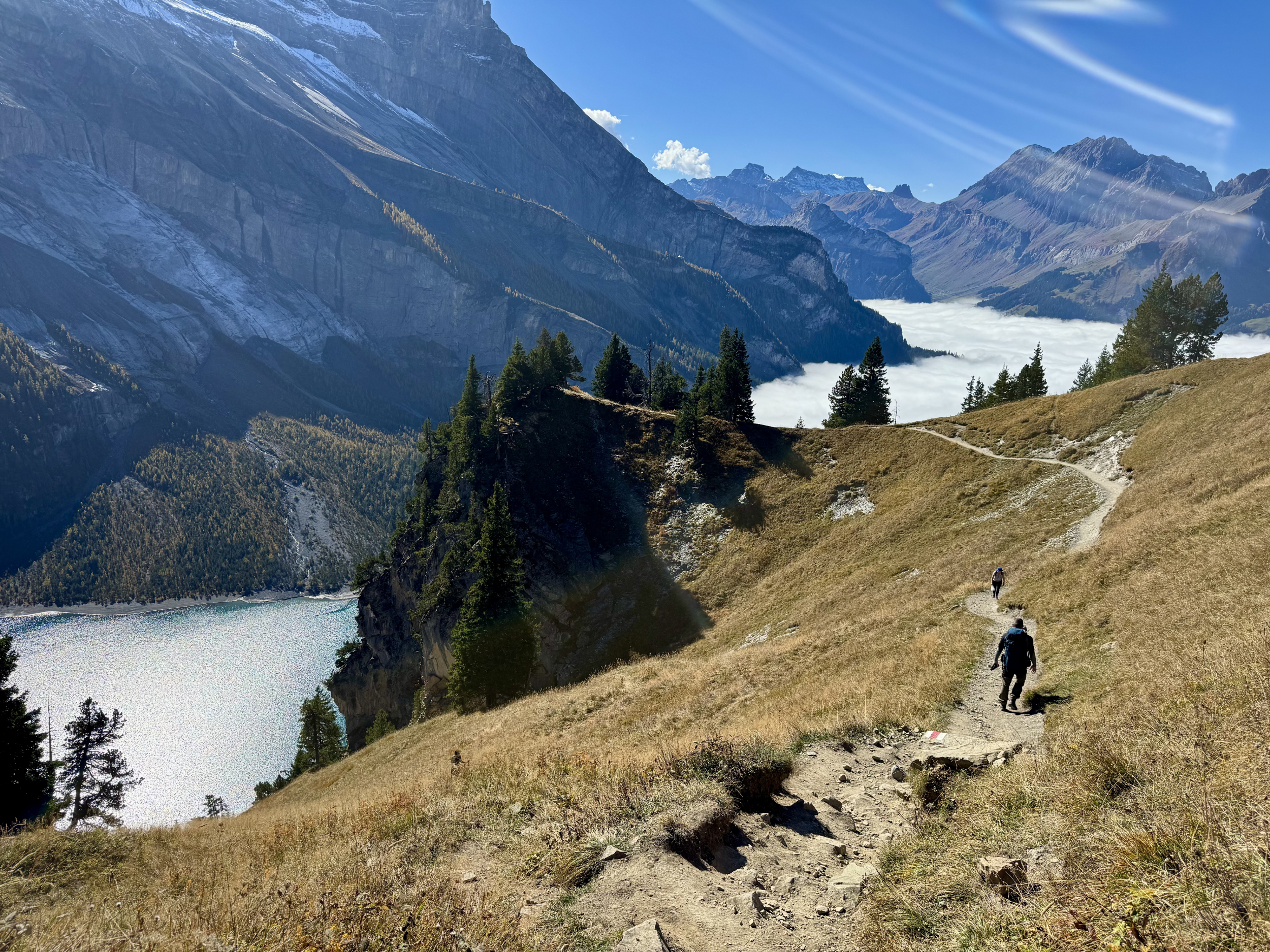
The ultimate tactical skill: leave no trace
What is leave no trace principle and how to become an invisible hiker? Read more…
We’ve all had that moment – you reach a stunning view or a secluded nature trail. But nothing breaks the spell faster than spotting a bright orange peel or silver corner of a granola bar wrapper peeking out from the moss. It pulls you right out of the wilderness experience.
In the hiking community, we talk a lot about the “leave no trace” principle, but it’s often treated like a set of school-like rules. In reality, it’s the skill of being an invisible hiker. So it is actually a pact we make with each other and the land. It is a mindset and awareness of your actions and surrounding. The goal is simple: when you walk away from a campsite, no one should ever know you were there. Sometimes it might even mean you leave the wild better than you found it.
The “natural” trash myth
The biggest hurdle to a clean trail isn’t really plastic, it’s actually the “it’s organic” excuse.
We’ve all seen it: an apple core tossed into the bushes or a banana peel tucked under a rock. Here’s the reality: in many alpine or forest environments, the soil doesn’t have the right bacteria to break down “exotic” fruits quickly. That banana peel can sit there for two years, turning into a black, leathery eyesore that local wildlife shouldn’t be eating anyway.
The Golden Rule: If it didn’t grow right there on that specific bush, it doesn’t belong in the dirt.
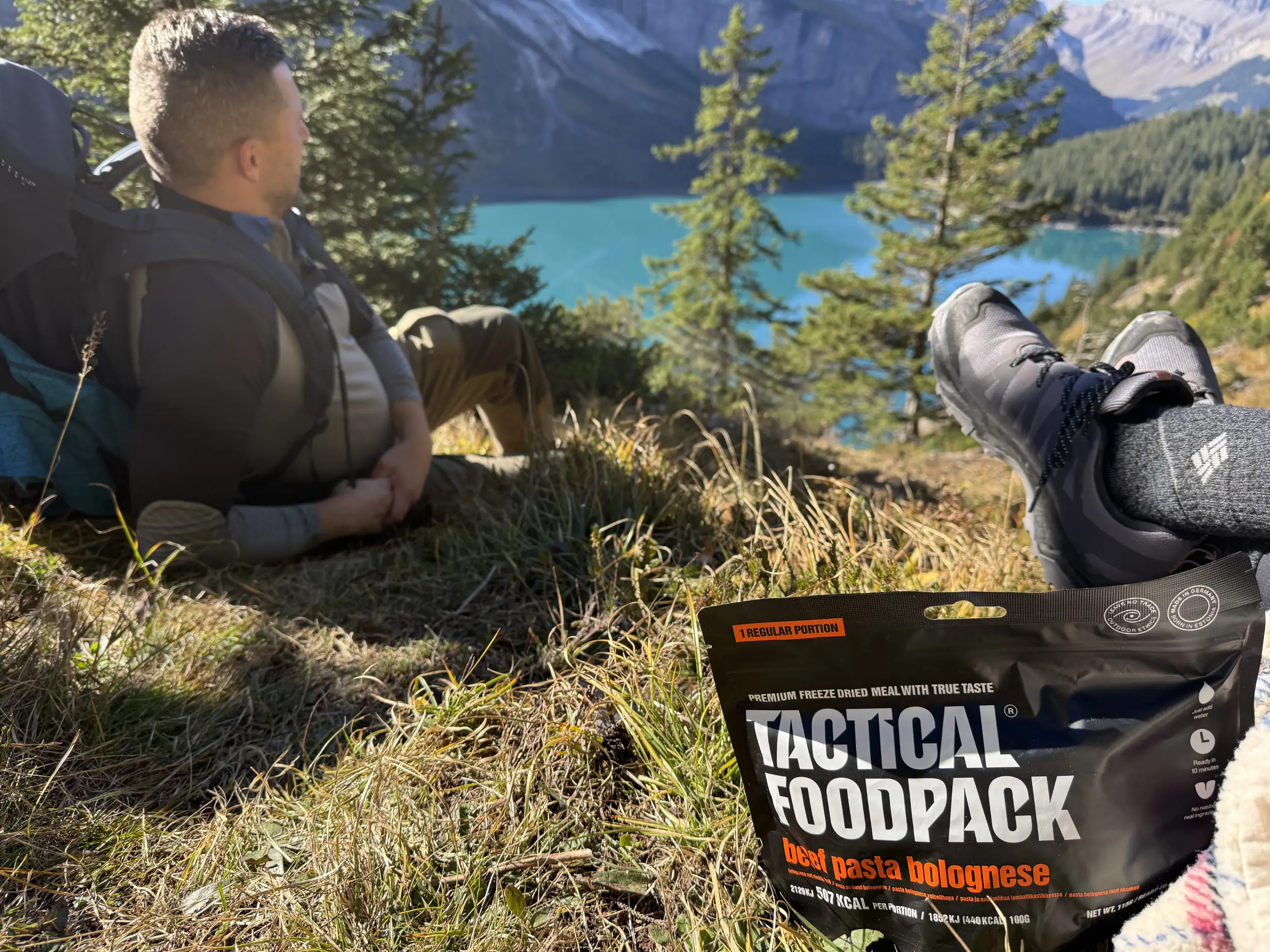
The 7 principles of modern hiking and leave no trace mindset
Whether you’re on a quick day-hike, a month-long thru-hike or camping for a weekend with the family – these seven principles are your North Star for responsible trekking.
1. Plan ahead and prepare:
– Research your route and the local regulations.
– Knowing the terrain helps you stay on the path and avoid “trail-blazing” through sensitive areas.
– Take Tactical Foodpack outdoor food to minimize food related waste. Use the hiking calories calculator to take the proper amount of fuel for your adventure.
2. Travel and camp on durable surfaces:
– Be mindful, that your travels might affect land, waterways, vegetation and wildlife.
– Rock, gravel, and sand are your friends.
– Camp away from lakes and streams, help to avoid water contamination.
– Avoid stepping on “cryptobiotic soil” or fragile wildflowers. Once crushed, they can take years to recover.
– Use excisting official campsites and trails.
– Good campsites are found, not made.
3. Dispose of waste properly:
– If you brought it, take it home.
– This includes biodegradable items like apple cores (which aren’t native to the forest and can take years to rot) and, of course, your Tactical Foodpack pouches.
– Burning trash is never recommended.
– If you need to perform a number 2, dig a “cathole” further away from water, camp and trails. Cover and disguise when finished.
– Toilet paper? Bury it in the “cathole” or pack it with you.
– If you need to wash yourself or the dishes, do it away from water streams and use small amount of biodegradable soap. Take Tactical Foodpack meals and you can eat straight from the pouch – no need to clean the pots and pans, save water and time.
4. Leave what you find:
– That cool rock or unique piece of driftwood belongs to the trail.
– Leave it for the next hiker to discover.
– Do not build structures or dig trenches.
5. Minimize campfire impacts:
– Wildfires threaten outdoor spaces and are primarily caused by humans.
– A lightweight stove is much cleaner and safer than a campfire.
– If you do build a fire, use existing rings and keep it small.
– Burn all wood and coals to ash. Be sure to put out campfires completely, then scatter cool ashes.
6. Respect wildlife
– You’re in their living room.
– Give animals space, do not follow or approach them.
– Store your food securely. Sometimes it might mean storing above the ground.
– Never share your lunch, it disrupts the natural foraging habits of wild animals and damages their health.
– Leave pets at home or control them at all times.
– Be mindful of sensitive times: mating, nesting, raising young, or winter. If possible, avoid these periods when planning an adventure.
7. Be considerate of others
– Maintaining courtesy toward others helps everyone to enjoy their outdoor experience.
– Respect the “soundscape“. Most hikers are there for the wind in the trees, not the music from a portable speaker.
– Be mindful of all the principles discussed before. Each aspect has an impact on how people enjoy nature.
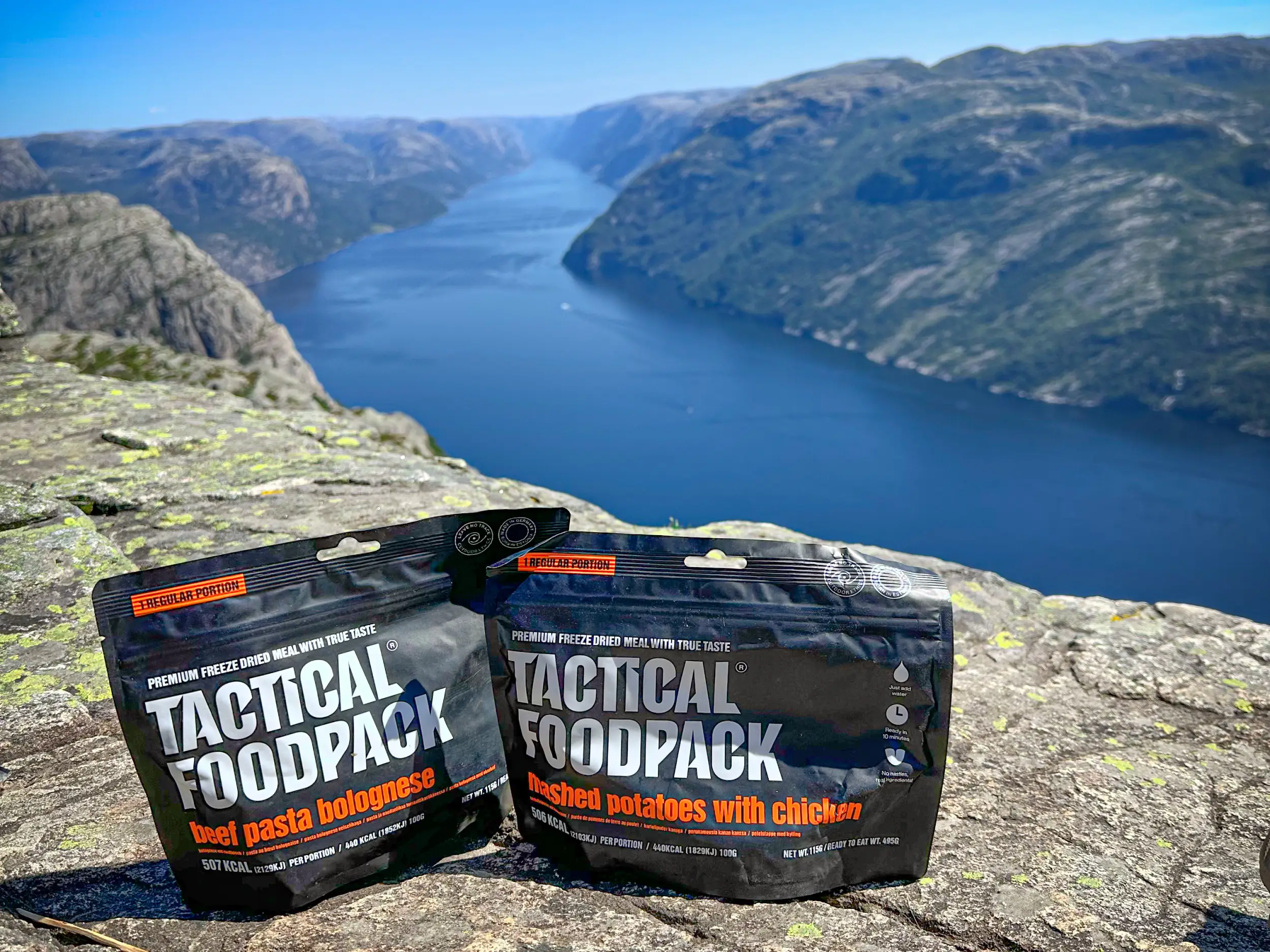
The “pack it out” strategy
Managing trash on a multi-day trip is an art form. It’s about being efficient so that your waste doesn’t become a burden. Create a “trash bag” to keep outside of your backpack and store waste there.
One of the reasons we love freeze-dried meals isn’t just the weight – it’s the containment. When you’re miles from the nearest bin, your empty food pouch shouldn’t be a liability. Be extra clever and recycle instead – use Tactical Foodpack empties as trash bags.
Hiker Hack: Tactical Foodpack pouches are incredibly durable and resealable. Once you’ve finished your meal, use the empty pouch as a mini-trash bag for smaller scraps like the notorious apple cores or bar wrappers. Zip it shut to lock in smells and keep your main pack clean.
Pro-tip: Those tiny plastic notches you tear off the top of a pack? They are the most common things dropped on the trail. Don’t tear the top all the way off. Leave it attached by a thread so it stays with the bag and goes into your pocket, not the forest floor.
Leaving it better: the +1 habit
If we want to be truly outdoor-friendly, we have to go beyond just “no trace.” The most respected hikers follow the Plus One rule:
Whenever you leave a rest stop or a campsite, scan the ground for one piece of trash that isn’t yours. Maybe it’s a bottle cap or a stray bit of string. By picking up just one extra thing, we aren’t just neutralizing our presence; we’re actually healing the trail as we go.
Heck, you can even implement this rule to your day-to-day life with different tasks and become a “life-hacker”. Walk 10 more minutes, read 1 more page, do one more task. Small commitment, big impact.
Let’s keep the wilderness the way we would like to find it. Next time you head out with a Tactical Foodpack in your kit, challenge yourself: see if you can be the ghost in the woods.
Enjoy your time, eat well, and leave nothing but a thank you.